JobMason Blog
Practical, no-fluff guides on tailoring resumes, writing cover letters, beating the ATS, and running a smarter job search.
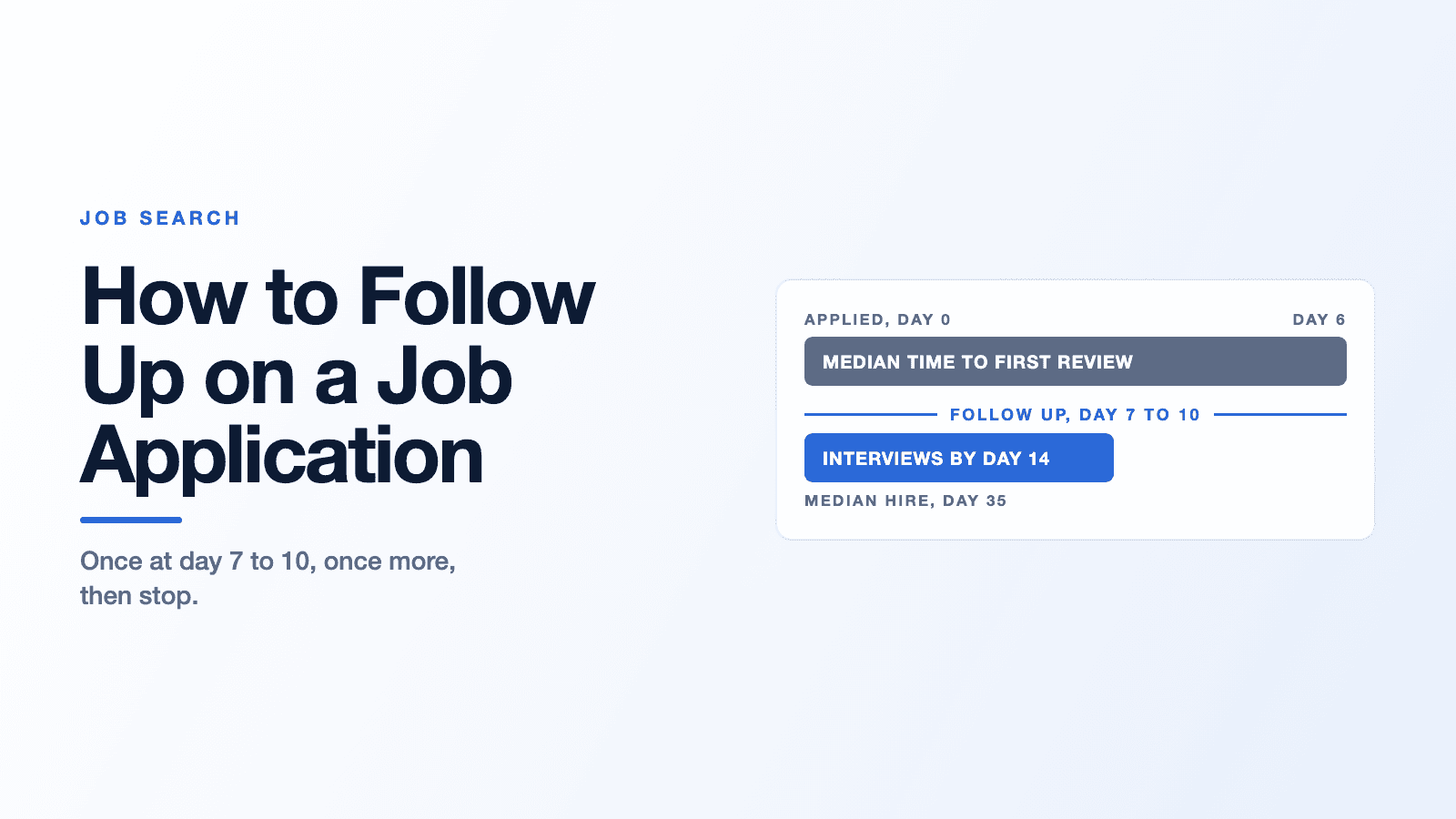
How to Follow Up on a Job Application (and When to Stop)
How to follow up on a job application: when to send it (day 7 to 10), which channel to use, what to write, five templates, and when to stop.
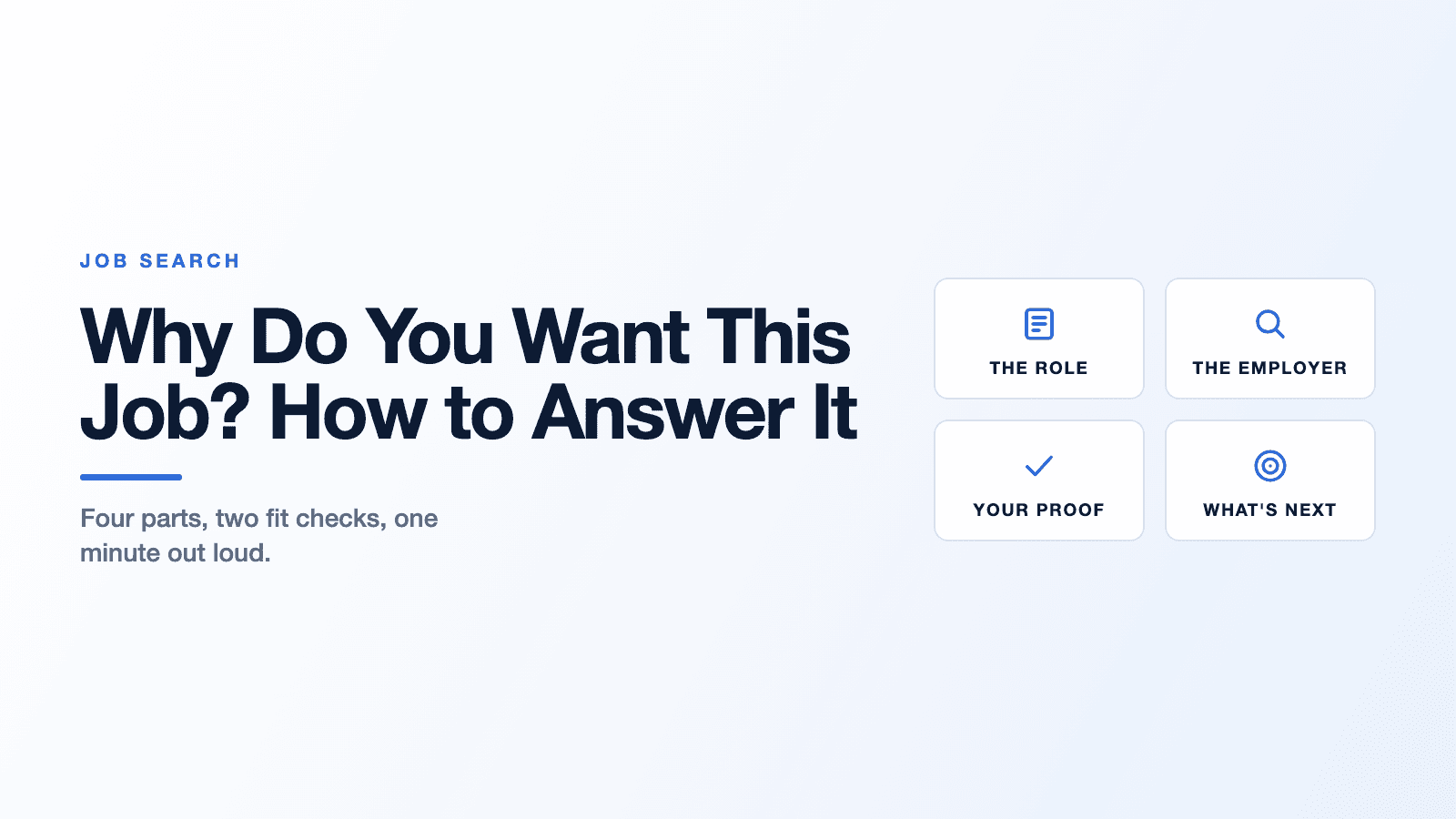
Why Do You Want This Job? How to Answer, With Examples
How to answer why do you want this job on forms and in interviews: what recruiters actually judge, a four-part structure, and sample answers.
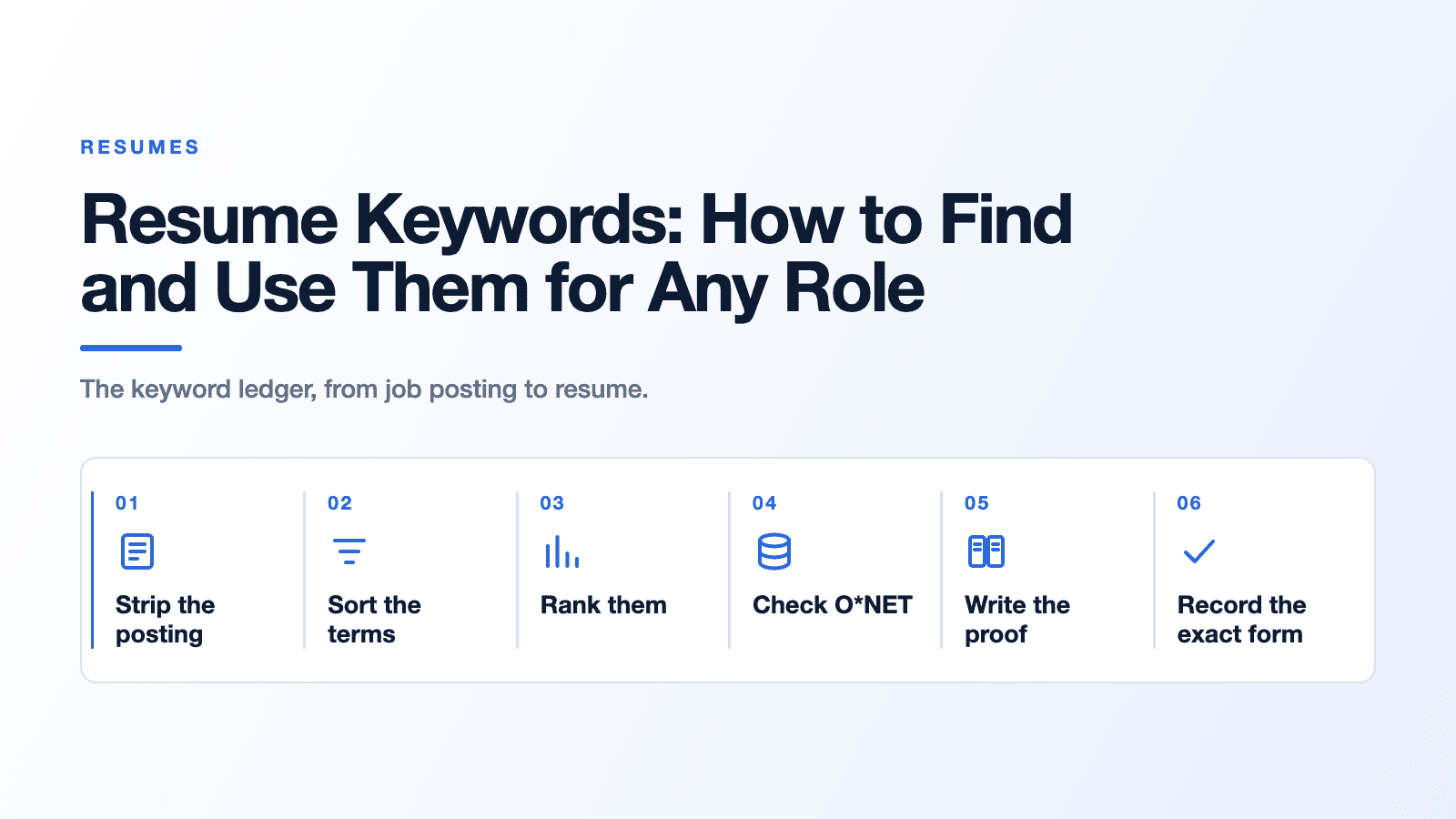
Resume Keywords: How to Find and Use Them for Any Role
Resume keywords come from the job description. Here is how ATS search really matches them, how to find them for any role, and how to place them honestly.
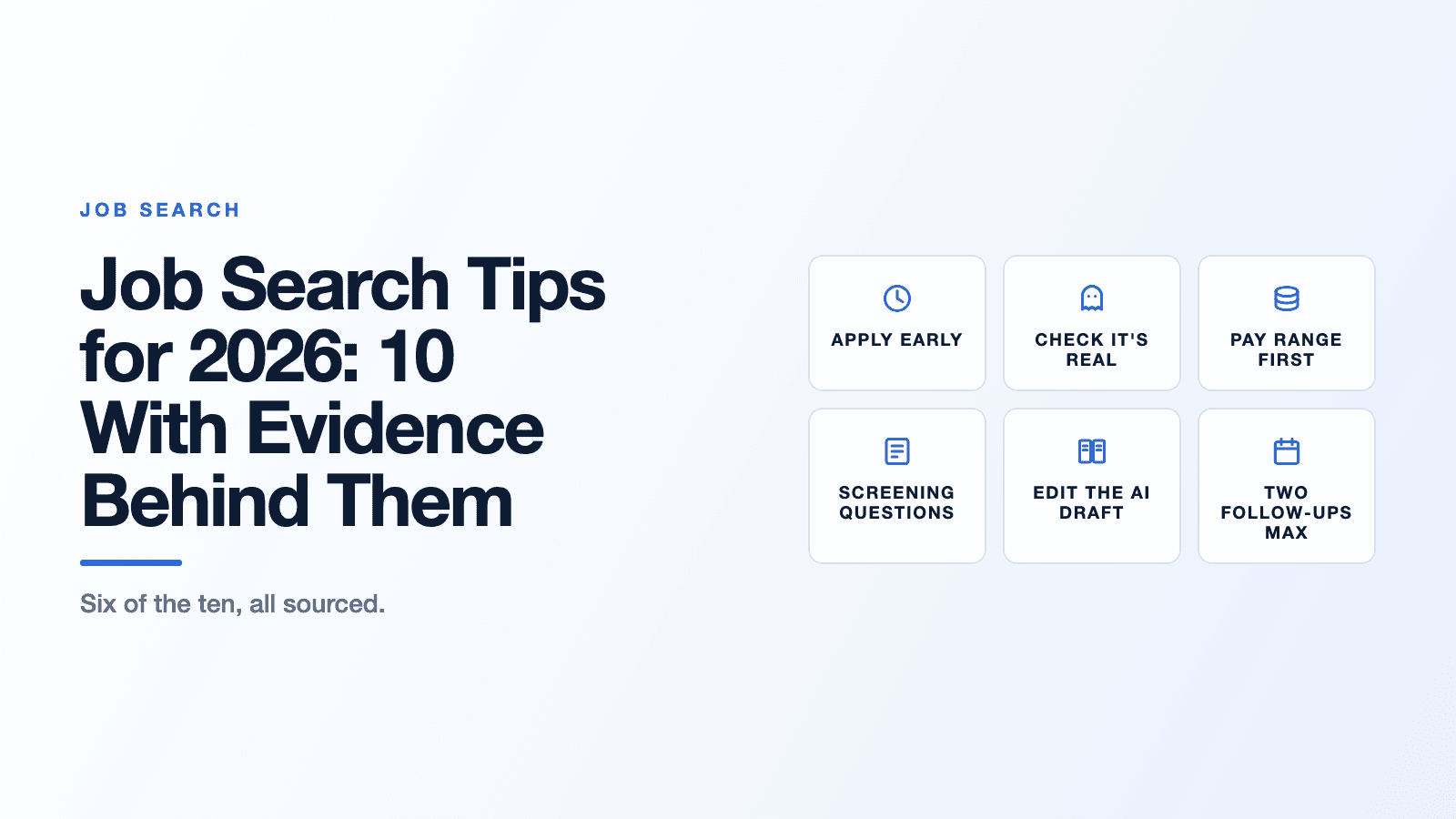
Job Search Tips for 2026: 10 With Evidence Behind Them
Ten job search tips for 2026, each tied to real data: when to apply, how to spot ghost jobs, the new pay-range rules, and how to use AI on applications.
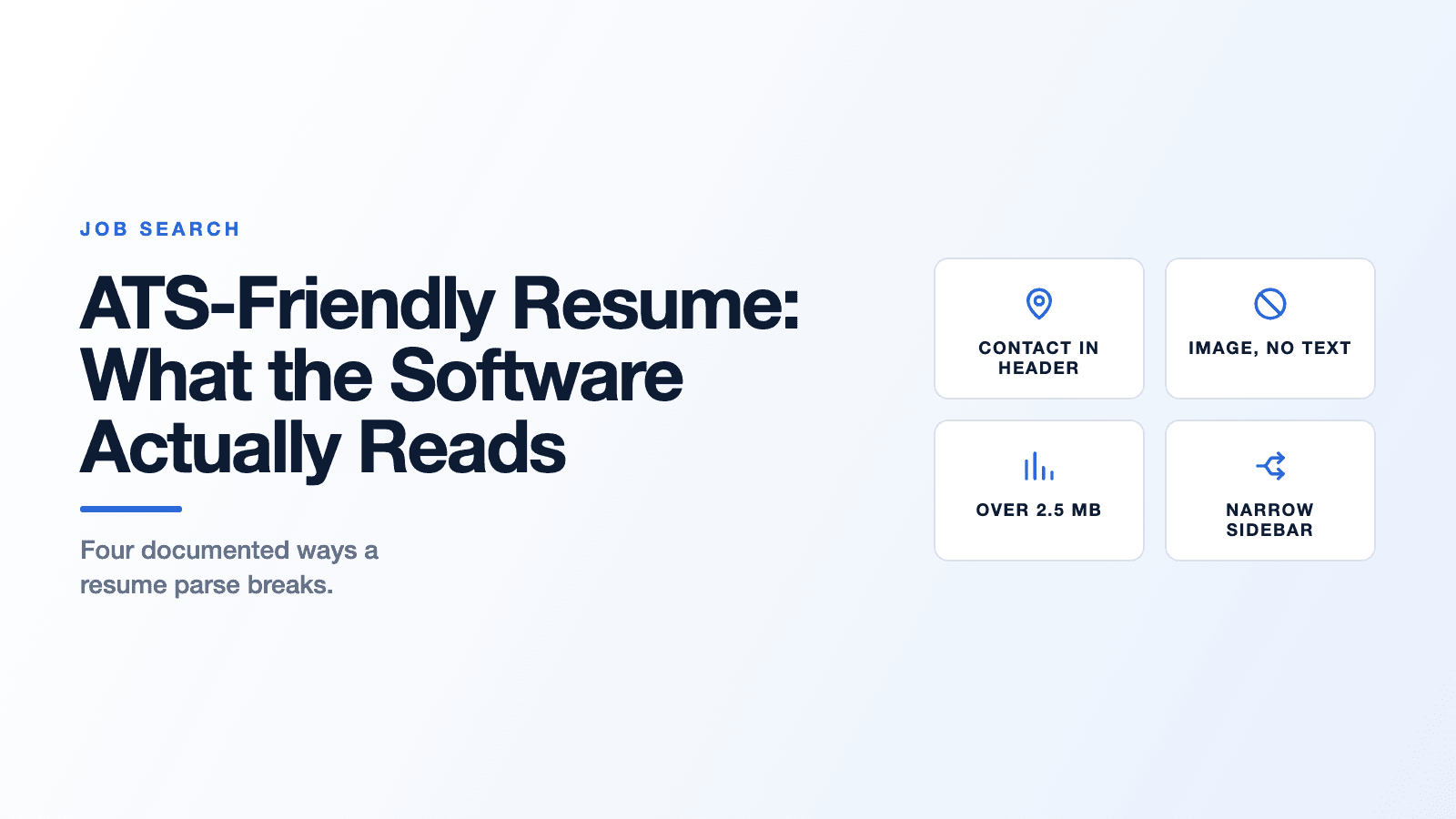
ATS-Friendly Resume: What the Software Actually Reads
Five ATS vendors publish what they actually read. Their own docs settle the PDF question, name a 2.5 MB parse limit, and rank the layout rules.
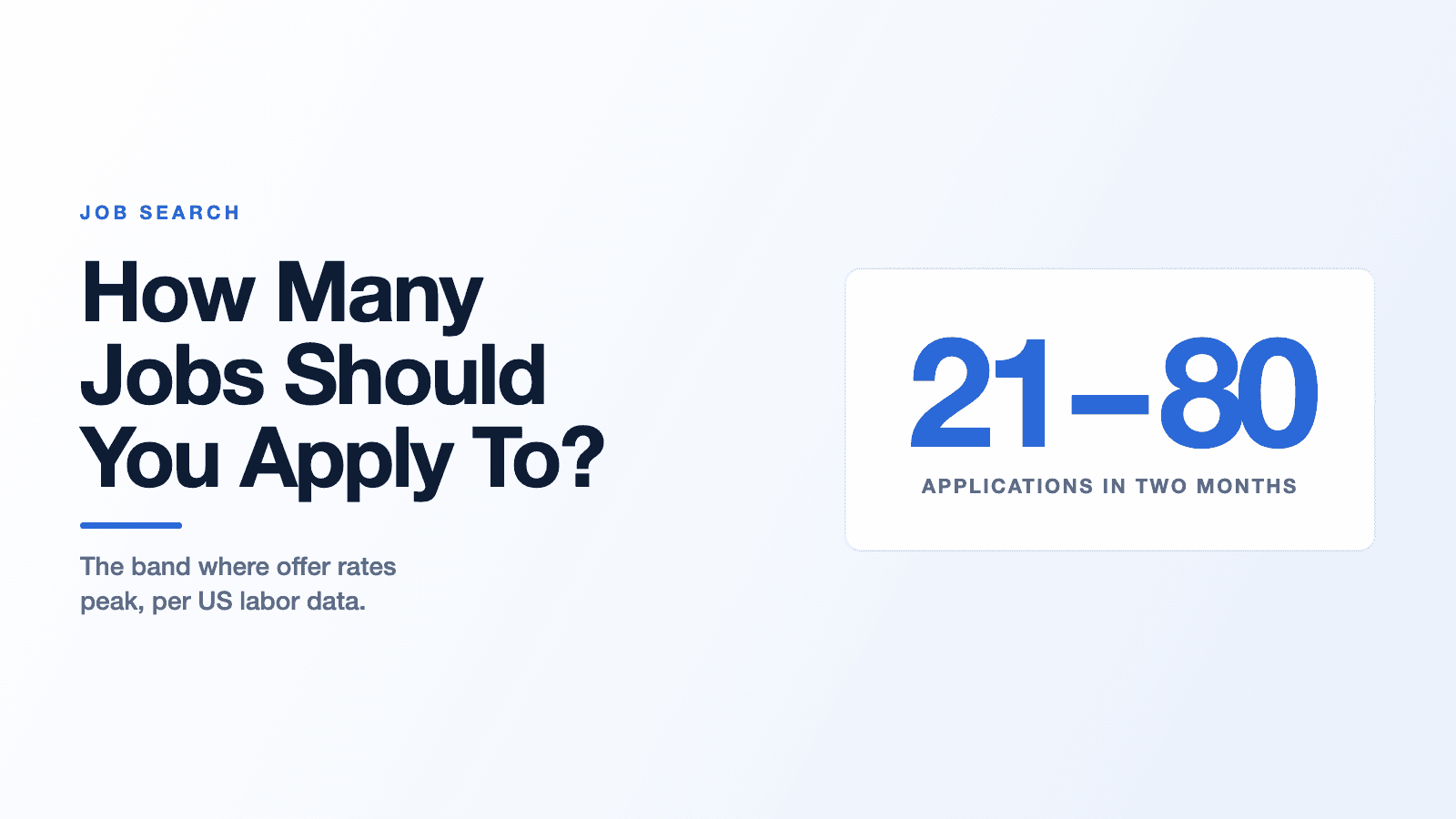
How Many Jobs Should You Apply To? What the Data Says
Everyone says 10 to 15 a week and nobody cites a source. Here is what US government data on applications, interviews and offers actually shows.
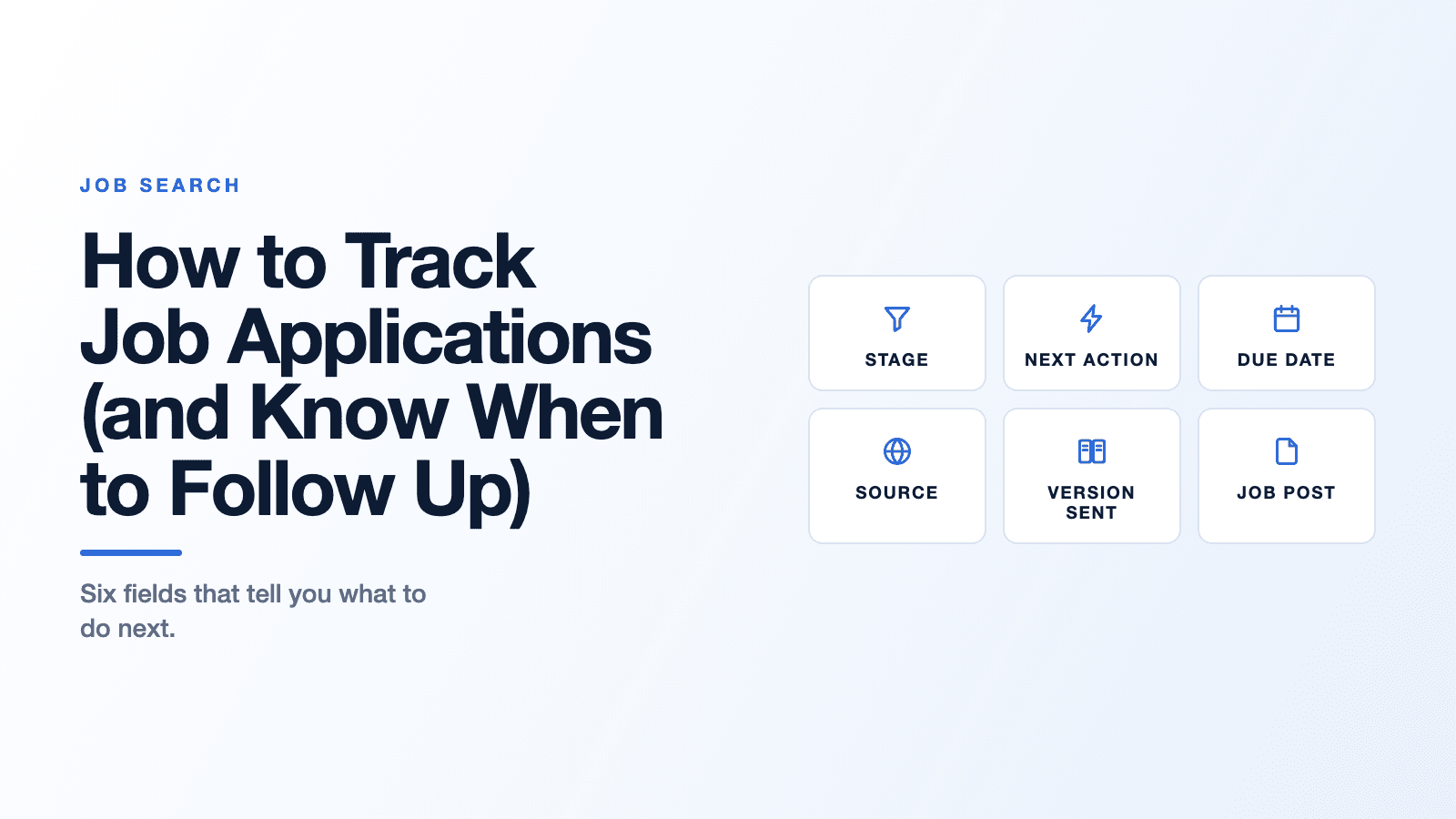
How to Track Job Applications (and Know When to Follow Up)
How to track job applications so the tracker tells you what to do next: the six fields that matter, when to follow up, and when to close a row.
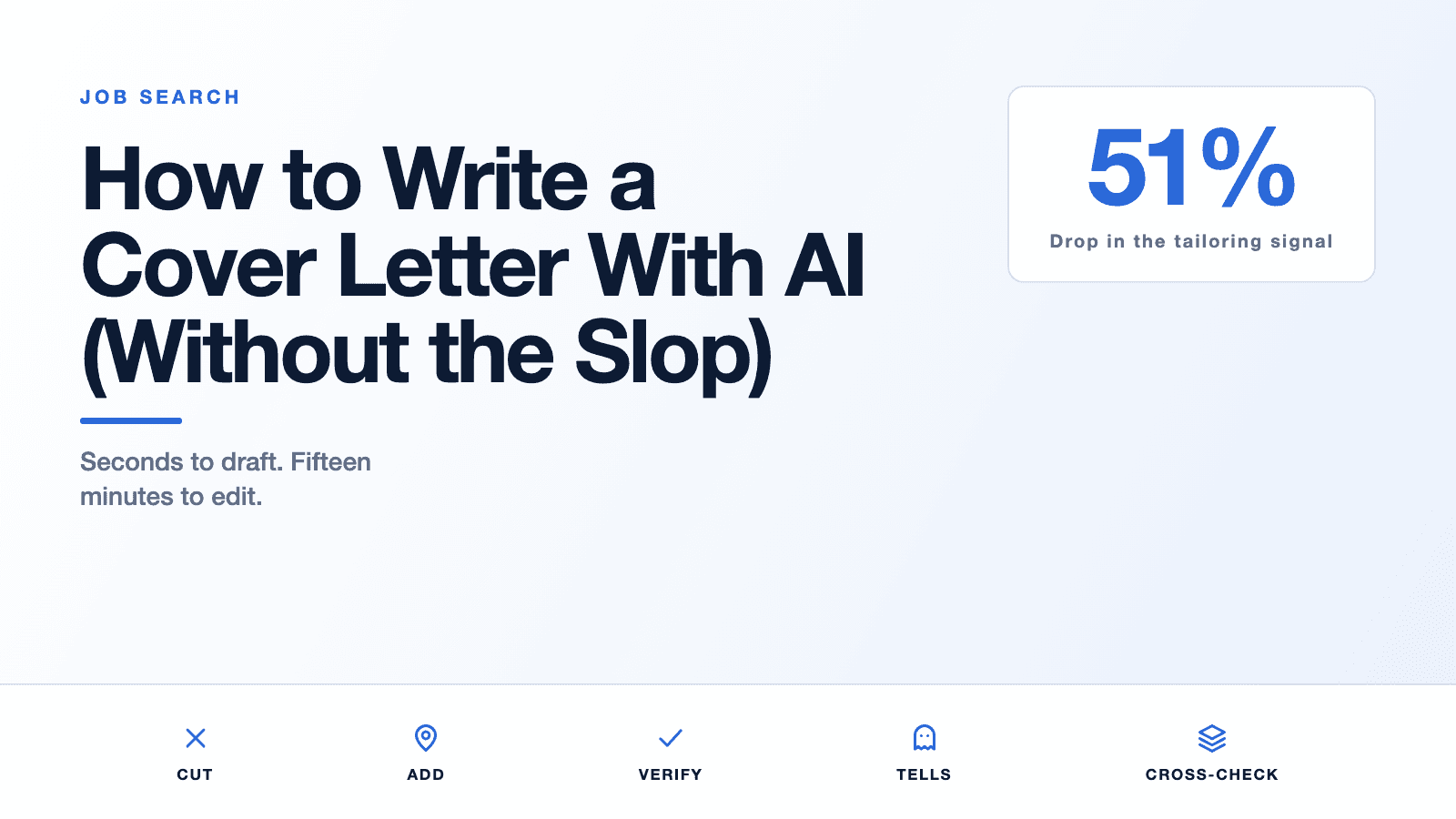
How to Write a Cover Letter With AI (Without the Slop)
How to write a cover letter with AI without sounding generic: what the research says works, a prompt that helps, and the five-pass edit that matters.
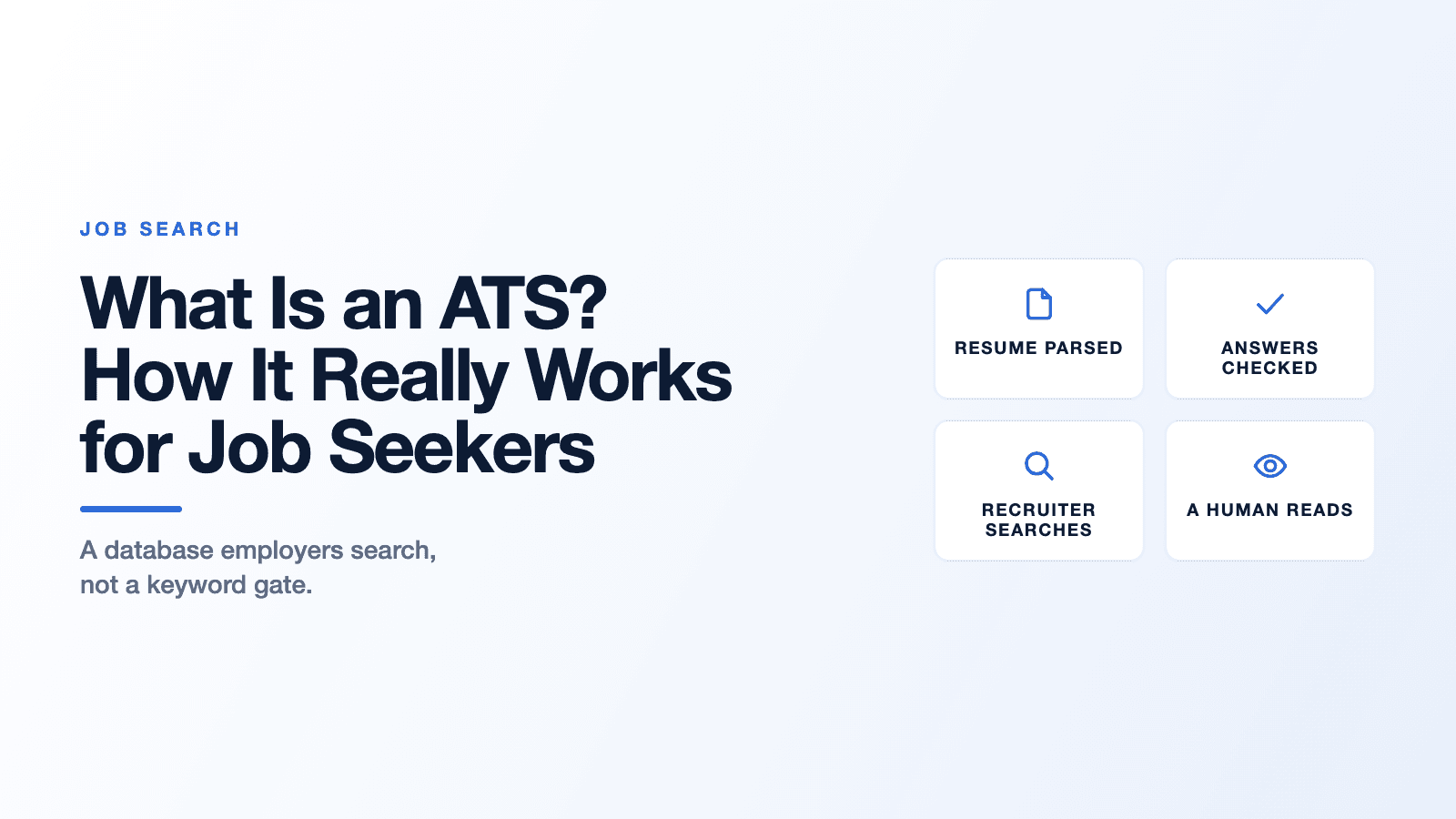
What Is an ATS? How It Really Works for Job Seekers (2026)
What is an ATS? An applicant tracking system is a database employers search, not a keyword gate. Here's what really rejects applications, and what to do.
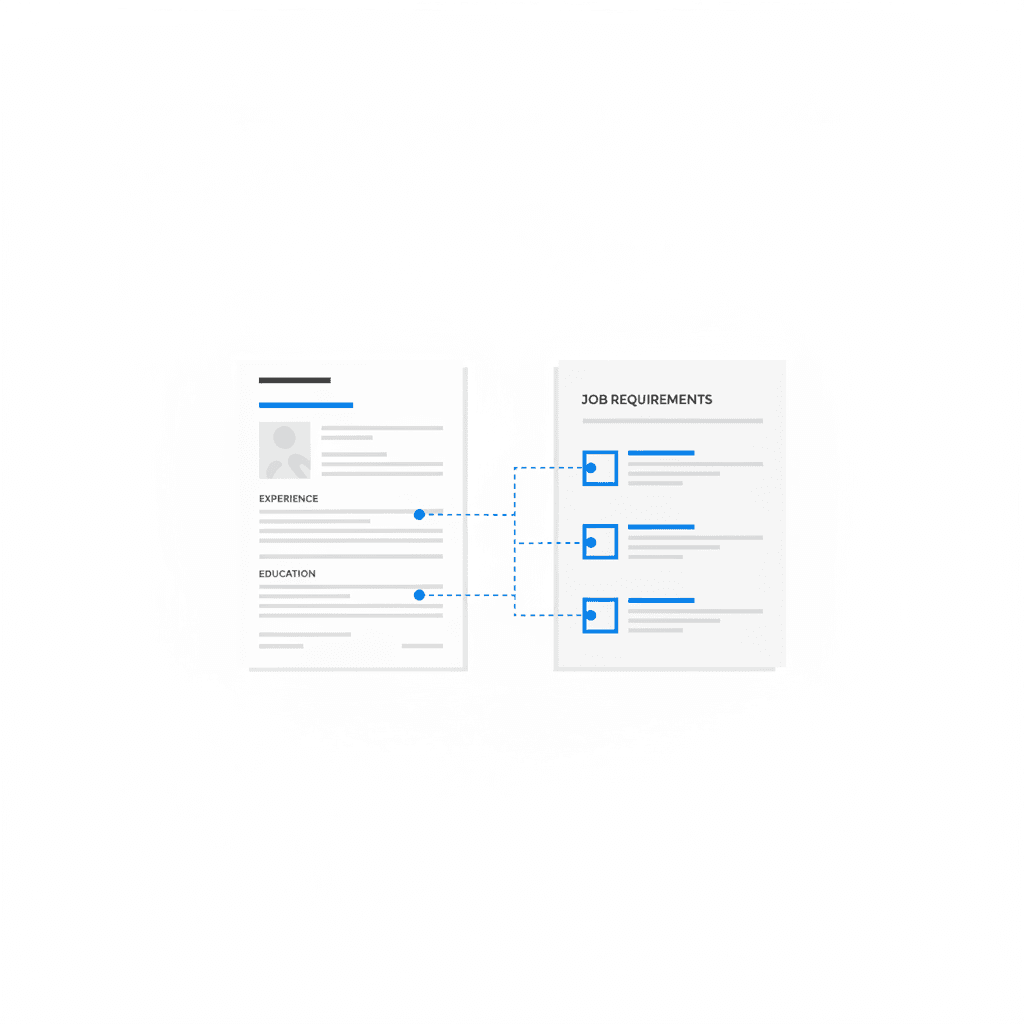
How to Tailor Your Resume to a Job Description (2026 Guide)
Tailor your resume to a job description in ~20 minutes: pull the role's top requirements, match each to your proof, and mirror the posting's exact wording.